
What Should You Do with Lottery Winnings? Consider Setting Up a Trust
What Should You Do with Lottery Winnings? Consider Setting Up a Trust
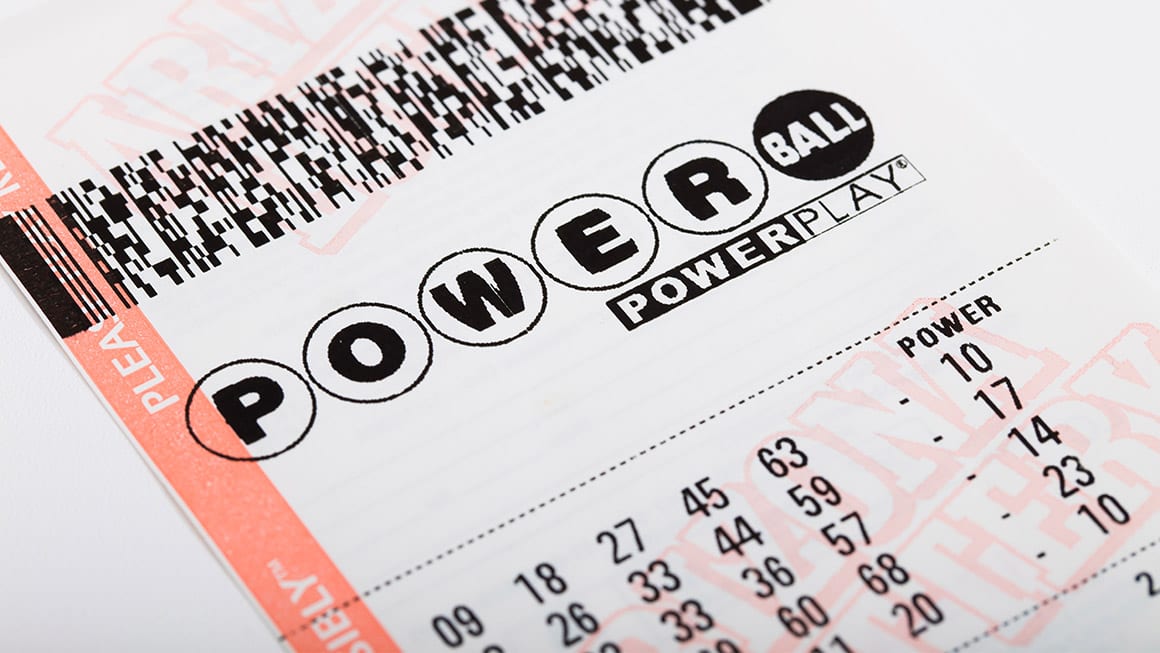
Everyone dreams of being the next Powerball winner or the next Mega Millions winner to hit the jackpot.
As lottery jackpots grow and odds shrink—currently about 1 in 292 million for Powerball—Missouri residents are increasingly swept up in lottery fever. According to the Missouri Lottery’s 2025 Annual Report, ticket sales reached $1.6 billion, with approximately 69.6 cents of every dollar returned to players as prizes. Since 1986, total proceeds to the state have surpassed $9 billion, all dedicated to supporting public education.
Nationally, sales of Lottery tickets doubled from 2008 to 2024 to $104.7 billion, according to the U.S. Census Bureau. Virginia is the top state for the highest payouts at 80% of total ticket sales. Ticket sales well surpass other forms of entertainment like movies, books, music and sporting events.
But as the old saying goes, “be careful what you wish for.”
After a Massachusetts woman produced the winning ticket for the $758.7 million Powerball, some odd things started happening. Neighbors began seeing news reporters and total strangers hanging around asking questions, and the local police department even had to beef up patrols around the neighborhood.
So, what would happen if you won the lottery?
Everyone you’ve ever known, and even a few you’ve never met, will most likely start coming out of the woodwork with their charity story.
What would you do? Give the money to your family members and friends? Save the money in case of a sudden windfall?
The Resource Center recommends setting up a trust before claiming your prize. One of the most immediate benefits of utilizing a trust after winning the lottery is to keep your name out of the media. With your name out of the spotlight, you’ll have a better chance of avoiding your 4th-grade classmate hunting you down to pay off his recent medical bills.
We’ll also talk about different types of trusts that might be a good fit for your goals — whether you hit the big jackpot or come away with a smaller prize. Continue reading to find out how a trust can protect your wealth and help you avoid probate in the future.
Potential Advantages of Setting Up a Trust for Lottery Winnings
To begin, you might be asking, “What is a trust?” or “What goes into setting up a trust?” In a basic definition, a trust is an entity you create to protect or manage your wealth according to your wishes. We recommend contacting a financial advisor to help you work through your financial planning or wealth management strategy as you start the trust process.
- A trust is managed by a ‘trustee.’ The trustee may be yourself or someone you appoint to manage your money and protect your privacy.3
- You name the beneficiaries of the trust. Beneficiaries may include family members, charitable organizations, and/or yourself.3
- You may set up individual trusts for family members and/or charitable organizations.3
If you already have a trust, your lottery winnings can go there. If you are setting up a trust for the first time, or wondering if you should set up a trust before claiming your lottery winnings, there are many factors and advantages to consider:3
- Protect your anonymity. Most states require lottery winners to go public. If winnings go into a trust, only the name of the trust becomes public.
- Ensure fairness to multiple winners. All members of a lottery pool must receive their fair share of the prize. An irrevocable trust can accomplish this.
- Payment or lump sum. How you choose to receive your winnings — all at once (a lump sum) or spread out over several years (in payments) — impacts your tax obligation. If you happen to die before receiving all your payments, a trust can help manage tax bills you leave behind.
- Are you married? If you win the lottery, a trust can be a good option for addressing marital property implications. Consider a prenuptial agreement if you are planning to get married after winning.
Remember, one of the first things to do if you win the lottery is to immediately sign and secure your ticket. Next, contact a reputable financial planner as quickly as possible to discuss all of your options before doing anything with your lottery winnings – including setting up a trust.1 If you would like more information on wealth management and estate planning, RSVP to the Resource Center’s “Estate Planning Basics” meeting (offered monthly).
Types of Trusts for Lottery Winnings
When you meet with your financial planner, he or she will discuss different types of trusts with you.
Two types of trusts that are commonly used to protect lottery winnings are blind trusts and irrevocable trusts.1
- Blind trust. If you donate your winning ticket to a blind trust before claiming your prize, the trust is named as the winner and keeps your name out of the media spotlight. In a blind trust, you will appoint a trusted financial expert to manage your assets and invest your funds with your input. This frees you from having to be involved in the day-to-day management of your lottery winnings.
- Irrevocable trust. If you are part of a winning lottery pool, an irrevocable trust guarantees that everyone gets their share of the winnings at the beginning of the trust process without relying on someone else’s honesty later on. An irrevocable trust may not be revoked or altered once it is established and helps prevent future disputes among winning participants. In addition, it can help you avoid the unnecessary tax consequences of transferring lottery winnings to multiple parties. A revocable trust, on the other hand, allows the original grantor of the trust to make changes or terminations at any time.
Trusts and Avoiding Probate Court
Probate is a legal process in which a court decides what happens to your assets — including lottery winnings — after you pass away. Even if you have already established a last will and testament, the court determines the value of your property and makes arrangements for the payment of outstanding debts and the distribution of remaining assets to your survivors.
Probate can be a complex, lengthy, and expensive process for your survivors.4 As much as possible, The Resource Center recommends taking the steps necessary to avoid the need for your family to enter into probate after you pass away.
To avoid probate, you may transfer legal ownership of your assets to an irrevocable trust.4 That way, you — and not the courts — decide what happens to your assets.
The Resource Center has partnered with Jennifer Kornblum Law to host the monthly Estate Planning Basics meeting. If you’d like to learn more about setting up trusts, managing your assets, and other general financial planning tips, please click here for more information or to RSVP.
More Questions About Estate Planning?
Do you have additional questions about what to do after winning the lottery? Contact us at The Resource Center. We’ll answer your questions and provide helpful information to guide your decision-making process.
Sources
- Findlaw. 2017. Lottery Trusts. http://estate.findlaw.com/trusts/lottery-trusts.html. Accessed August 23, 2017.
- HG Legal Resources. 2017. Can I Avoid Probate? https://www.hg.org/article.asp?id=35958. Accessed August 23, 2017.
We are not permitted to offer, and no statement contained herein shall constitute, tax or legal advice. Individuals are encouraged to consult with a qualified professional before making any decisions about their personal situation. We are able to provide you with not guidance or advice related to federal benefits. Our firm is not affiliated with the U.S. any governmental agency. Investment advisory services offered only by duly registered individuals through LLC (AEWM). AEWM and The Resource Center are not affiliated companies. AW1217555